Planning Pickering’s 2026 Budget

Share Planning Pickering’s 2026 Budget on Facebook Share Planning Pickering’s 2026 Budget on Twitter Share Planning Pickering’s 2026 Budget on Linkedin Email Planning Pickering’s 2026 Budget link

Budget decisions can have a profound impact on our daily lives - explore the various ways that you can learn more about the City’s budget process below.


Pickering's Budget - What You Need To Know

Pickering is a thriving city thanks to the residents and businesses who choose to live, work, and invest here.

Each year, the City plans its budget priorities to ensure a high quality of life, as it relates to the municipal service, program, and infrastructure needs of the community.

The City invites you to follow the 2026 Budget process this fall - stay tuned for opportunities to participate!


Where do your tax dollars go?
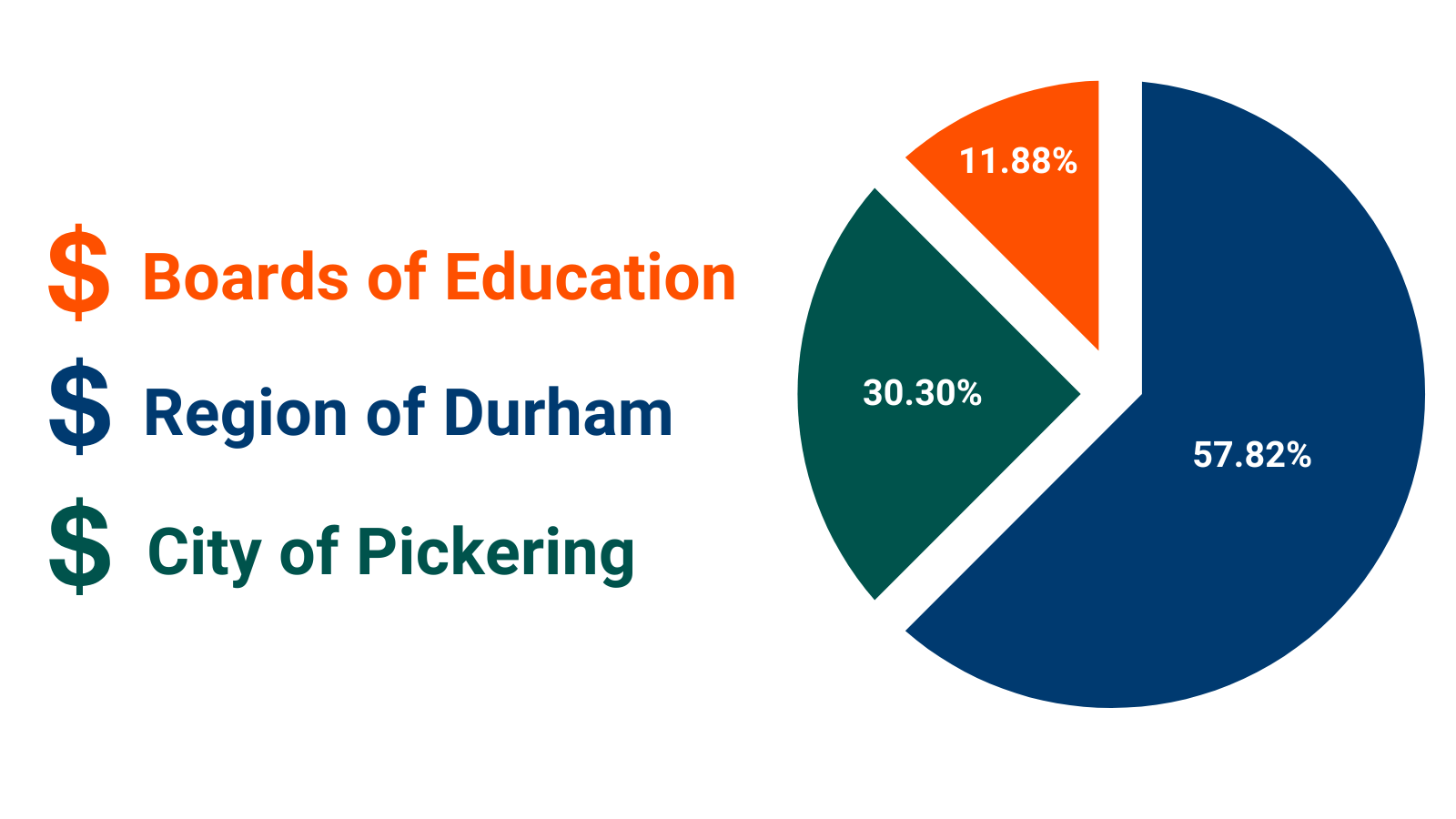

  • 11.88% of your tax dollars goes to the Boards of Education
  • 57.82% of your tax dollars goes to the Region of Durham
  • 30.30% of your tax dollars goes to the City of Pickering

Property tax dollars fund various programs and services, including:

1. City: Fire, recreation programs, municipal law enforcement, city planning, animal services, libraries, road maintenance, parks, streetlights, storm sewers and more.

2. Education: The education tax rate is established by the Province. The local school boards are responsible for determining how school taxes are spent.

3. Region: Police, maintenance of major roads, transit, waste management, social services, childcare, public health and ambulance, and more.


Budget Pressures

Pickering, like the rest of the Province, continues to face financial realities like inflation, high interest rates, labour shortages, and legislative changes that are further impacting municipal capacity to deliver services and invest in infrastructure.


Exploring Funding Sources

While property taxes are the City of Pickering's main source of revenue, the City seeks out other funding opportunities to help relieve the residential tax load. This includes:

1. Actively seeking and applying for eligible funding and grant programs from both the Federal and Provincial governments.

2. Naming rights partnerships.

3. The City’s Municipal Contribution Agreement with Ontario Lottery Gaming Corporation, in which it receives revenues for hosting the Pickering Casino Resort.

Since Pickering Casino Resort opened in July 2021, OLG has issued non-tax gaming revenue payments to the City of Pickering for hosting the facility, as part of its Municipal Contribution Agreement with Ontario Lottery Gaming Corporation (OLG). Pickering also shares a portion of this revenue with the Region of Durham.

Casino revenues have been used and/or are planned to be used for both Current and Capital Budget items like:

  • Funding for community groups as part of the City’s Community Grants Program
  • Chestnut Hill Developments Recreation Complex O'Brien Arena Renovation
  • Central Library Lobby Retrofit
  • Dunbarton Pool Roof and Structure Replacement
  • Bay Ridges Kinsmen Park Soccer Turf Replacement and Beverley Morgan Park Track Replacement
  • Snow Clearing Program for Seniors & Persons with Disabilities
  • Accessible Pedestrian Signals
  • Dorsay Community & Heritage Centre
  • Beachfront Park Master Plan
  • Tennis Court Flooring Replacement at Chestnut Hill Developments Recreation Complex

How does the budget work?

Every year, City of Pickering approves the Current (also known as the Operating) and Capital Budgets. The Current and Capital Budgets outline how the City will use its revenues to deliver services to residents. The Current Budget focuses on day-to-day expenses, while the Capital Budget covers major infrastructure and equipment requirements.

Property taxes are the City of Pickering's main source of revenue. The property tax levy is the amount of money that the City requires to provide services such as snow clearing, road repair, emergency services, parks maintenance, and libraries, to name a few.

Watch a short video on how municipalities build their budget:


Capital Budget

The Capital Budget is used for long-term investments, like infrastructure and facilities, that are paid off over time. This includes projects related to roads, bridges and sidewalks, vehicles and equipment, streetlights, playgrounds, and trails. It includes new infrastructure projects as well as the maintenance and rehabilitation of existing infrastructure.

Take a look back at 2024’s key infrastructure projects:


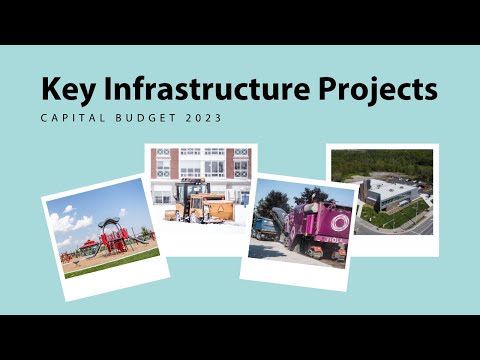
Take a look back at 2023's key infrastructure projects:


Take a look back at 2022’s key infrastructure projects:


Current Budget

The Current Budget, also known as an Operating Budget, covers the day-to-day expenses required to deliver services to residents. These costs can return year-after-year and include services such as roads, parks, and sport field maintenance, staffing and utilities for City facilities like libraries and community centres, and fire services.

Most of the funds for the Current Budget are raised through property taxes and the remainder comes from a variety of sources like user and permit fees and licences. This budget is prepared by each municipal department and reflects that area of responsibility.


Strong Mayor Powers

The Mayor has special powers and duties under Part VI.1 of the Municipal Act, 2001 S.O. 2001, c. 25 and in accordance with O. Reg. 530/22 and O. Reg. 580/22. Part of these special powers includes the ability to prepare and propose the City’s budget, subject to possible Council amendments, and the Mayor’s ability to veto such amendments, which are subject to an override process that may be accomplished by two-thirds of the Council. As such, Mayor Ashe has provided Direction to the Chief Administrative Officer (CAO) and the Director, Finance & Treasurer pertaining to the 2026 City of Pickering Budget. View Direction.

Legislative framework governing the Mayor’s special powers and duties under Part VI.1 of the Municipal Act, 2001 S.O. 2001, c. 25

Under O. Reg. 530/22, the Mayor is required to propose the budget by February 1st. After the Mayor proposes the budget, Council can pass resolutions to amend the budget within 30 days. The Mayor may veto a Council budget resolution within 10 days after the expiry of the amendment time frame. Council may then attempt to override a mayoral veto with a two-thirds majority vote, within 15 days after the expiry of the Mayor’s veto time frame (under the legislation these time frames may be shortened). At the end of this process, the resulting budget is “deemed” to be adopted by the municipality. Learn more.

See Schedule A (page 40) of the Procedure By-law for excerpts from the Municipal Act (the “Act”), pertaining to the exercise of the Special Powers and duties provided to the Mayor as the Head of Council for the City of Pickering. The provisions that follow are provided to inform Council and the public on the process to be carried out when the Special Powers are utilized. These Special Powers, commonly referred to as “Strong Mayor Powers”, are exercised under provincial legislation and take precedence over the normal rules of procedure outlined in this By-law, where applicable.


What were the 2025 Budget Highlights?

In 2025, the City's portion of the residential property tax bill increased by 1.15 percent.

This equates to $82.62 on the average assessed home in Pickering of $586,000.

This increase, when combined with the Region of Durham and School Board increases, resulted in an average increase of 5.26 percent on the total property tax bill (based on the Durham Region approved levy increase of 7.4%).

  • The 2025 Current Budget is $94,227,956
  • The 2025 Capital Budget is $96,939,550

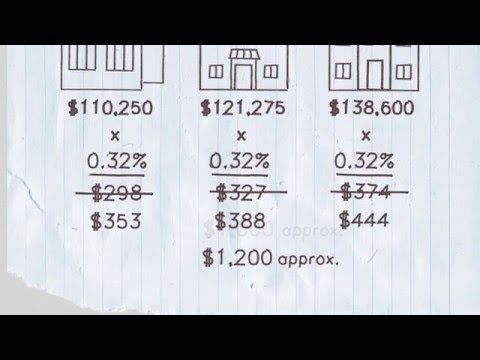
A general rule of thumb for calculating property tax is to multiply your assessed value (or purchase price if recent) by the current tax rate. For example, if you paid $586,000 for your house, your taxes would be: $586,000 x 2025 Residential Tax Rate (0.01288240) = $7,549.09


Educational Videos

Take a look through our videos below to get a better understanding of each topic.

Municipal Property Assessment Corporation (MPAC) 101 - learn more about how your property tax is calculated.


Quick Links

Budget decisions can have a profound impact on our daily lives - explore the various ways that you can learn more about the City’s budget process below.


Pickering's Budget - What You Need To Know

Pickering is a thriving city thanks to the residents and businesses who choose to live, work, and invest here.

Each year, the City plans its budget priorities to ensure a high quality of life, as it relates to the municipal service, program, and infrastructure needs of the community.

The City invites you to follow the 2026 Budget process this fall - stay tuned for opportunities to participate!


Where do your tax dollars go?


  • 11.88% of your tax dollars goes to the Boards of Education
  • 57.82% of your tax dollars goes to the Region of Durham
  • 30.30% of your tax dollars goes to the City of Pickering

Property tax dollars fund various programs and services, including:

1. City: Fire, recreation programs, municipal law enforcement, city planning, animal services, libraries, road maintenance, parks, streetlights, storm sewers and more.

2. Education: The education tax rate is established by the Province. The local school boards are responsible for determining how school taxes are spent.

3. Region: Police, maintenance of major roads, transit, waste management, social services, childcare, public health and ambulance, and more.


Budget Pressures

Pickering, like the rest of the Province, continues to face financial realities like inflation, high interest rates, labour shortages, and legislative changes that are further impacting municipal capacity to deliver services and invest in infrastructure.


Exploring Funding Sources

While property taxes are the City of Pickering's main source of revenue, the City seeks out other funding opportunities to help relieve the residential tax load. This includes:

1. Actively seeking and applying for eligible funding and grant programs from both the Federal and Provincial governments.

2. Naming rights partnerships.

3. The City’s Municipal Contribution Agreement with Ontario Lottery Gaming Corporation, in which it receives revenues for hosting the Pickering Casino Resort.

Since Pickering Casino Resort opened in July 2021, OLG has issued non-tax gaming revenue payments to the City of Pickering for hosting the facility, as part of its Municipal Contribution Agreement with Ontario Lottery Gaming Corporation (OLG). Pickering also shares a portion of this revenue with the Region of Durham.

Casino revenues have been used and/or are planned to be used for both Current and Capital Budget items like:

  • Funding for community groups as part of the City’s Community Grants Program
  • Chestnut Hill Developments Recreation Complex O'Brien Arena Renovation
  • Central Library Lobby Retrofit
  • Dunbarton Pool Roof and Structure Replacement
  • Bay Ridges Kinsmen Park Soccer Turf Replacement and Beverley Morgan Park Track Replacement
  • Snow Clearing Program for Seniors & Persons with Disabilities
  • Accessible Pedestrian Signals
  • Dorsay Community & Heritage Centre
  • Beachfront Park Master Plan
  • Tennis Court Flooring Replacement at Chestnut Hill Developments Recreation Complex

How does the budget work?

Every year, City of Pickering approves the Current (also known as the Operating) and Capital Budgets. The Current and Capital Budgets outline how the City will use its revenues to deliver services to residents. The Current Budget focuses on day-to-day expenses, while the Capital Budget covers major infrastructure and equipment requirements.

Property taxes are the City of Pickering's main source of revenue. The property tax levy is the amount of money that the City requires to provide services such as snow clearing, road repair, emergency services, parks maintenance, and libraries, to name a few.

Watch a short video on how municipalities build their budget:


Capital Budget

The Capital Budget is used for long-term investments, like infrastructure and facilities, that are paid off over time. This includes projects related to roads, bridges and sidewalks, vehicles and equipment, streetlights, playgrounds, and trails. It includes new infrastructure projects as well as the maintenance and rehabilitation of existing infrastructure.

Take a look back at 2024’s key infrastructure projects:


Take a look back at 2023's key infrastructure projects:


Take a look back at 2022’s key infrastructure projects:


Current Budget

The Current Budget, also known as an Operating Budget, covers the day-to-day expenses required to deliver services to residents. These costs can return year-after-year and include services such as roads, parks, and sport field maintenance, staffing and utilities for City facilities like libraries and community centres, and fire services.

Most of the funds for the Current Budget are raised through property taxes and the remainder comes from a variety of sources like user and permit fees and licences. This budget is prepared by each municipal department and reflects that area of responsibility.


Strong Mayor Powers

The Mayor has special powers and duties under Part VI.1 of the Municipal Act, 2001 S.O. 2001, c. 25 and in accordance with O. Reg. 530/22 and O. Reg. 580/22. Part of these special powers includes the ability to prepare and propose the City’s budget, subject to possible Council amendments, and the Mayor’s ability to veto such amendments, which are subject to an override process that may be accomplished by two-thirds of the Council. As such, Mayor Ashe has provided Direction to the Chief Administrative Officer (CAO) and the Director, Finance & Treasurer pertaining to the 2026 City of Pickering Budget. View Direction.

Legislative framework governing the Mayor’s special powers and duties under Part VI.1 of the Municipal Act, 2001 S.O. 2001, c. 25

Under O. Reg. 530/22, the Mayor is required to propose the budget by February 1st. After the Mayor proposes the budget, Council can pass resolutions to amend the budget within 30 days. The Mayor may veto a Council budget resolution within 10 days after the expiry of the amendment time frame. Council may then attempt to override a mayoral veto with a two-thirds majority vote, within 15 days after the expiry of the Mayor’s veto time frame (under the legislation these time frames may be shortened). At the end of this process, the resulting budget is “deemed” to be adopted by the municipality. Learn more.

See Schedule A (page 40) of the Procedure By-law for excerpts from the Municipal Act (the “Act”), pertaining to the exercise of the Special Powers and duties provided to the Mayor as the Head of Council for the City of Pickering. The provisions that follow are provided to inform Council and the public on the process to be carried out when the Special Powers are utilized. These Special Powers, commonly referred to as “Strong Mayor Powers”, are exercised under provincial legislation and take precedence over the normal rules of procedure outlined in this By-law, where applicable.


What were the 2025 Budget Highlights?

In 2025, the City's portion of the residential property tax bill increased by 1.15 percent.

This equates to $82.62 on the average assessed home in Pickering of $586,000.

This increase, when combined with the Region of Durham and School Board increases, resulted in an average increase of 5.26 percent on the total property tax bill (based on the Durham Region approved levy increase of 7.4%).

  • The 2025 Current Budget is $94,227,956
  • The 2025 Capital Budget is $96,939,550

A general rule of thumb for calculating property tax is to multiply your assessed value (or purchase price if recent) by the current tax rate. For example, if you paid $586,000 for your house, your taxes would be: $586,000 x 2025 Residential Tax Rate (0.01288240) = $7,549.09


Educational Videos

Take a look through our videos below to get a better understanding of each topic.

Municipal Property Assessment Corporation (MPAC) 101 - learn more about how your property tax is calculated.


Quick Links

  • 2026 Budget Explainer

    Share 2026 Budget Explainer on Facebook Share 2026 Budget Explainer on Twitter Share 2026 Budget Explainer on Linkedin Email 2026 Budget Explainer link

    Pickering remains committed to being an inclusive and welcoming city where residents feel supported, especially as affordability continues to be top of mind for many households. Even as we grow, we continue to have the lowest residential property tax rate among Durham Region’s lakeshore municipalities, a position we have held for many years.

    Growth brings new opportunities for community well-being. It also requires balanced and responsible investment in amenities that improve quality of life, such as pools, arenas, libraries, parks, and recreation spaces that serve our diverse and evolving community.

    Proposed 2026 Budget Highlights

    The total property tax bill in 2026 is going up by 4.82 percent, made up of a 1.06 percent City share and a 3.76 percent Region share.

    When you pay property taxes, that money gets split between the following:

    • Region of Durham: 57.82 percent of your bill
    • City of Pickering: 30.30 percent of your bill
    • Boards of Education: 11.88 percent of your bill


    City of Pickering

    • The City is increasing its own budget by 3.49 percent
    • Since the City represents 30.30 percent of your bill, that equals about a 1.06 percent increase on your total tax bill
    • The average 2026 residential tax increase will be $76.70 (City share) based on a residential assessment of $563,000.


    Durham Region

    • The Region is increasing its budget by 6.5 percent
    • Since they make up the biggest chunk of your bill, that equals about a 3.76 percent increase on your total tax bill

    School Boards

    • At this time, we are assuming no increase for the School Boards.

    Key investments

    The City’s portion supports rising operating costs while investing in the infrastructure, programs, and services that strengthen Pickering’s quality of life, such as:

    • Opening and operating the Dorsay Community and Heritage Centre
    • Design and tender for Fire Hall 5 replacement
    • Design of the new Seaton Recreation Complex & Library
    • Expanded winter pathway maintenance
    • Major road resurfacing projects
    • Ongoing improvements to parks and public spaces

    How your residential property tax bill is split

    (Example: home assessed at $586,000)

    When you pay property taxes, the City does not keep the full amount. Your tax bill is allocated across three levels of service:

    Region of Durham

    • 57.82 percent or $4,366.45
    • Funds police and paramedic services, transit, waste management, social assistance, child care, social housing, homes for the aged, and public health.

    City of Pickering

    • 30.30 percent or $2,285.91
    • Funds fire services, libraries, community programs, recreation centres, road maintenance, parks, animal services, by-law enforcement, street lights, and storm sewers.

    Boards of Education

    • 11.88 percent or $896.73
    • The education tax rate is set by the Province, and local school boards determine how education funds are allocated.

    Total residential property taxes: $7,549.09

    For every tax dollar paid, the City of Pickering retains about 30.30 cents. The remaining approximately 70 cents supports regional services and education.

    (This example uses 2025 tax rates. Final 2026 property tax rates are approved by Council in April)

    Learn more

    Residents can explore the full details at pickering.ca/budget for the 2026 Mayor's Proposed Capital and Current Budgets and the 2027 to 2035 Forecast.

Page last updated: 12 Dec 2025, 08:56 AM